

A sofa can look presentable and still smell faintly stale the moment someone sinks into it. Cushions feel slightly gritty, the armrests have a darker sheen than the rest of the fabric, and the usual response is to spray something on top and hope. That approach rarely works, and sometimes makes things worse. This article explains how to choose and use upholstery cleaners in a way that matches your fabric, your mess and your patience.
1. Why a Clean-Looking Sofa Still Holds Dirt
Upholstery is not a flat surface.
The result is a layer of soil you cannot see from across the room.
2. What Actually Builds Up Inside the Fabric
Understanding the soil helps you pick the right method.
- Dry particles: dust, grit, crumbs and hair. These are abrasive and wear fibers down if left in place.
- Body oils and sweat: these darken headrests and arms and carry odor. They need a cleaner that can loosen oily film.
- Spills: coffee, juice, sauces and drinks. These are time-sensitive and spread if handled roughly.
- Pet-related residue: hair, dander and the occasional accident, each needing a different response.
A cleaner that handles dry soil will not necessarily lift oil, and a product built for spills may do little for ground-in grit.
3. Read the Care Tag Before Anything Else
Most sofas and chairs carry a cleaning code, usually stitched under a cushion or on the frame.
- W: water-based cleaners are generally acceptable.
- S: solvent-based or dry cleaning products only; water can leave stains or shrink the fabric.
- W/S: either type may be used.
- X: vacuum or brush only; no liquid cleaners.
If the tag is missing, assume caution.
4. Three Cleaner Formats and When Each One Fits
Upholstery cleaners generally come in a few forms.
Spray and foam cleaners. These suit routine refreshing and small to medium stains. They are applied lightly, left briefly and blotted or brushed. Their strength is control: you can limit how much moisture reaches the cushion.
Powder or dry cleaners. These are sprinkled on, left to absorb odor and oil, then vacuumed away. They help on delicate or moisture-sensitive pieces and are a reasonable first step for general staleness.
Machine-assisted cleaning. Portable spray-and-extract units push solution into the fabric and pull dirty liquid back out. They are the more thorough route for heavily used sofas, though they demand careful technique and drying time. For a closer look at the rug and floor side of this equipment, see our guide to carpet spot cleaners.
5. A Step-by-Step Routine From Dry Soil to Damp Finish
Order matters. Wetting a sofa that still holds loose grit turns that grit into mud.
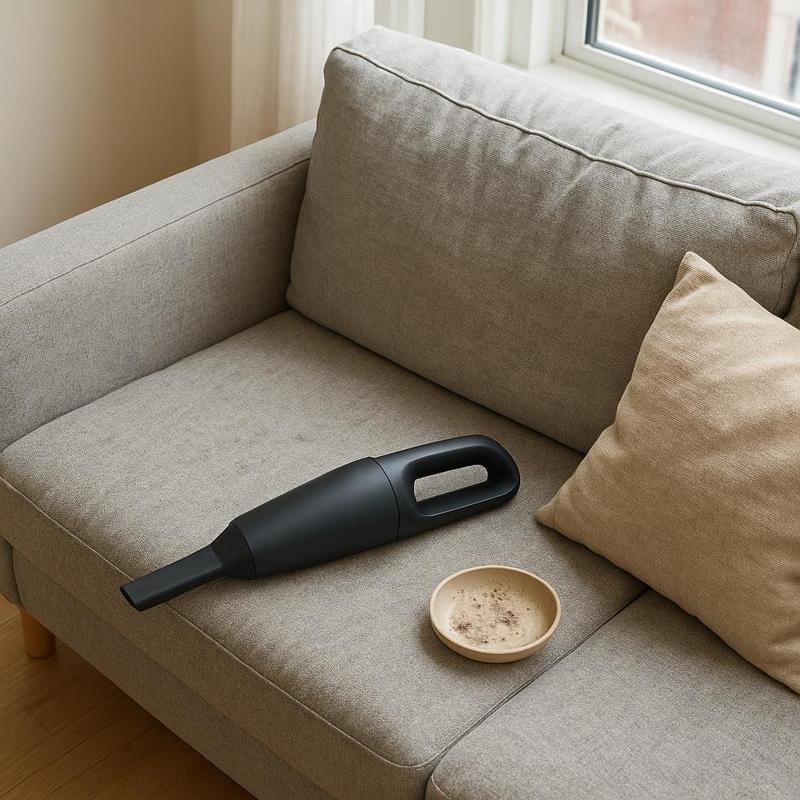
- Remove loose soil first. Take off cushions, vacuum seams, crevices and the underside of the frame. A cordless handheld vacuum reaches tight corners without hauling out a full-size machine.
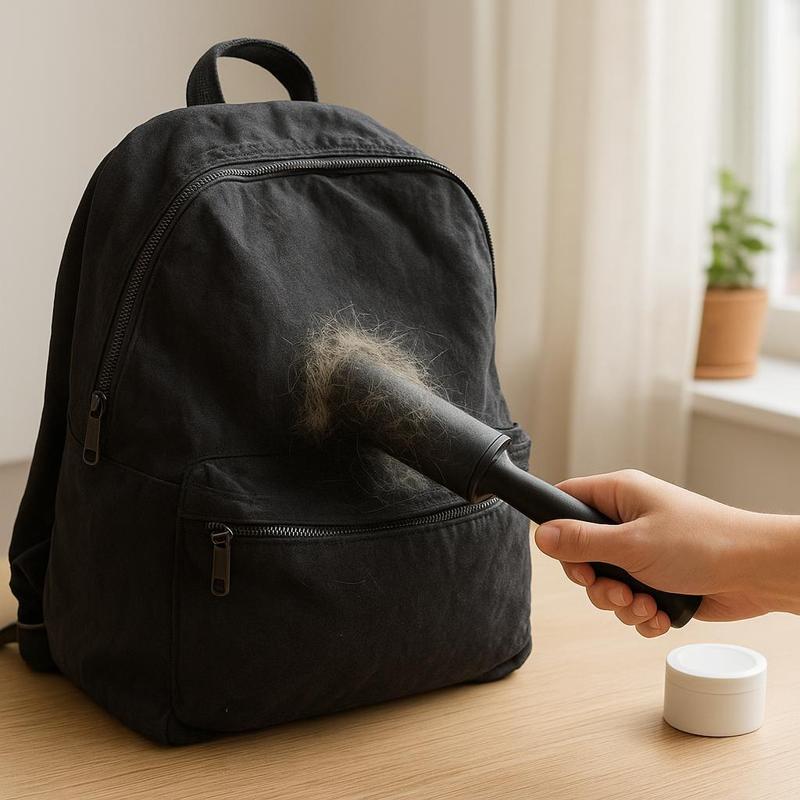
- Deal with hair. Pet hair weaves into fabric and clogs both vacuums and cleaning heads. Lift it beforehand with a dedicated tool from the pet hair removers range.
- Test the cleaner. Try it on a hidden area such as the back or the underside of a cushion. Wait until fully dry before judging color and texture.
- Apply sparingly. Work in small sections. The aim is to dampen the surface fibers, not soak the foam.
- Agitate gently. Use a soft brush or clean cloth in light, overlapping strokes. Heavy scrubbing frays fibers and can leave a fuzzy patch.
- Remove the residue. Blot with a dry white cloth or extract with a machine. Leftover cleaner attracts dirt, so this step is not optional.
- Dry thoroughly. Open windows, run a fan and keep cushions upright until no dampness remains.
6. Testing, Dilution and the Mistakes That Leave Rings
Most disappointing results trace back to a short list of habits.
- Overwetting. Moisture that reaches the foam dries slowly, and can cause odor or water marks.
- Skipping the test patch. Dye bleed and texture change only appear after the cleaner dries.
- Cleaning one spot in isolation. A freshly cleaned patch on a dirty cushion looks like a ring. Blend outward to a natural seam instead.
- Using more product than directed. Extra solution does not clean better; it leaves residue.
- Rushing the drying. Sitting on damp fabric presses soil straight back in.
Always follow the dilution ratio printed on the product, and never mix different cleaners together.
7. Handling Stains by Type
The first response often decides the outcome.
- Water-based spills (coffee, juice, wine): blot early, then treat with a suitable fabric cleaner.
- Greasy marks (food oils, skin oils): a dry powder left on the spot can draw oil upward before any liquid is applied.
- Pet accidents: blot up as much as possible, then use a cleaner rated for the material and allow thorough drying. Persistent odor may mean the liquid reached the cushion core.
- Old, set stains: expect partial improvement rather than total removal, and repeat gentle passes instead of one aggressive attempt.
8. Support Tools That Make the Cleaner Work Better
The cleaner does only part of the job. A few supporting tools improve results without much extra effort. A soft upholstery brush loosens soil from the weave. A mattress vacuum cleaner is designed for removing dust and allergens from fabric surfaces and works equally well on sofa cushions and bedding. For fabrics that tolerate heat and moisture, a handheld steam cleaner can help refresh seams and crevices, but check your care tag first, since not every upholstery code allows steam.
If you want to explore the wider range of options for fabric, floor and furniture care, you can browse the full selection at our cleaning supplies store.
9. A Maintenance Rhythm That Prevents Deep Soiling
Deep cleaning is far easier when the sofa never gets very dirty.
- Weekly: vacuum seats, arms and crevices; lift visible hair.
- Monthly: rotate and flip cushions where the design allows, and spot-treat marks while they are fresh.
- Every few months: apply a full fabric-appropriate clean, adjusted for pets, children and how heavily the piece is used.
- Right away: blot any spill as soon as it happens.
Consider a professional service when the tag says dry-clean only, the fabric is delicate, a stain has gone deep into the foam, or the piece is valuable enough that a mistake would be costly.
10. Summary
A stale-smelling sofa is rarely a sign that you need something stronger.
Choose the cleaner format that suits your fabric and your typical mess, support it with a vacuum and brush, and keep a light weekly routine going.