

You lint-roll the sofa on Sunday, and by Monday evening the cushions look furry again.
1. Why Hair Returns Hours After You Clean
Most households treat pet hair as one problem. In reality it is three: loose surface hair, woven-in hair and airborne fine hair.
Loose hair sits on top of fabric and lifts easily.
Shedding also follows a pattern. Many dogs and cats shed more heavily in spring and autumn, and indoor heating can keep shedding going year-round.
2. How Hair Actually Bonds to Different Surfaces
Hair does not stick everywhere equally. Understanding the bond tells you what kind of force the surface needs.
- Tightly woven upholstery and microfiber: hair rests on top and is usually easy to lift with light friction.
- Loop-pile and textured fabrics: hair hooks into the loops and resists gentle sweeping.
- Cotton and polyester clothing: static and washing cycles press hair into the weave.
- Carpet and rugs: hair tangles around the base of the fibers, where surface passes never reach.
- Car seats and fabric headliners: heat and compression make hair cling, and tight seams trap it.
Static is the quiet culprit.
3. Match the Remover Type to the Surface
The Pet Hair Removers category includes several tool designs, and each suits a different job. Rather than looking for one best option, think about where you fight hair most often.
Rubber or silicone edge tools work by friction. Drawn across fabric, they gather hair into a clump you can lift away. They suit sofas, bedding and car seats, and they do not run out of anything, so they are economical for large surfaces.
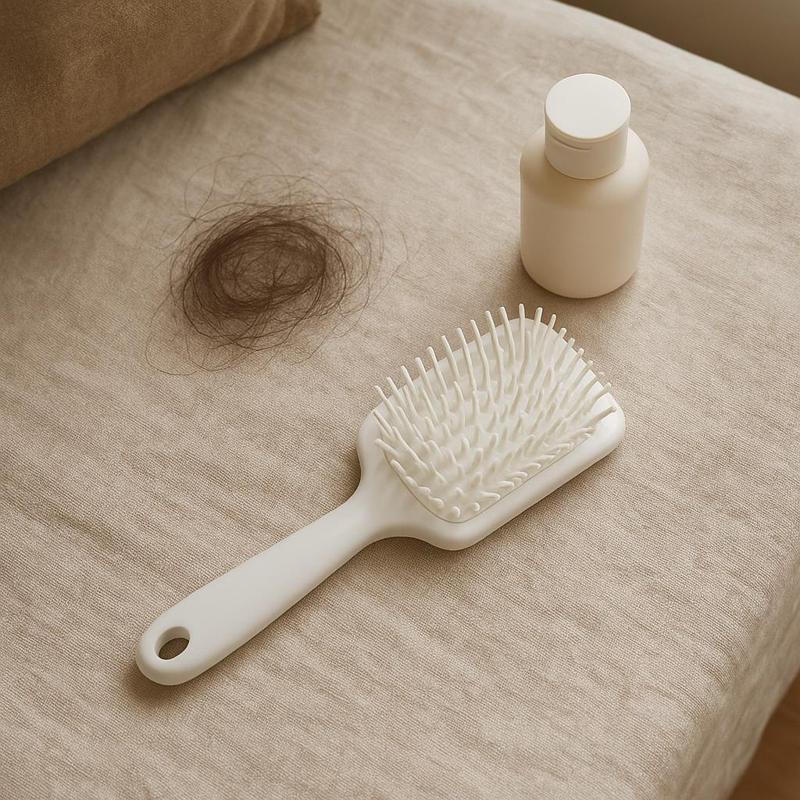
Brush-style and reusable roller tools collect hair into a chamber or onto a surface you rinse or empty. They are handy for quick passes on clothing and throw blankets, and they avoid the waste of sticky sheets.
Sponge or textured pad tools are gentle on delicate fabrics and good for wiping hair from smooth surfaces and upholstery edges.
A practical rule: use friction tools for woven-in hair, roller tools for the final tidy pass, and do not expect either to replace a vacuum on carpet.
4. Technique: Direction, Dampness and Pace
Good technique often matters more than the specific tool. Three small habits change results noticeably.
Work in one direction. Short, repeated strokes in a single direction pull hair into rows. Back-and-forth scrubbing just redistributes it. Start at the top of a cushion and finish at the bottom so you are not pushing hair onto cleaned areas.
Use a little moisture. A lightly damp tool, or a very light mist on the fabric, reduces static and helps hair bunch together. Test a hidden spot first, especially on delicate or natural fibers, and let the fabric dry fully.
Slow down at seams. Hair collects along piping, creases and the gap between cushions. A narrow edge or a corner of the tool reaches these areas better than a broad pass.
After raking the hair into clumps, lift it with a tissue, a damp cloth or a quick vacuum pass.
5. Where Hair Hides Beyond the Sofa
Even with a spotless couch, hair keeps reappearing because it has reservoirs elsewhere. Mapping them stops the cycle.
- Mattresses and bedding: pets that sleep on or near the bed leave hair and dander in layers. A mattress vacuum cleaner pulls hair and fine debris out of surfaces a roller cannot reach.
- Under furniture: hair drifts into dust-like felts beneath sofas, beds and appliances. A slim under appliance cleaning tool reaches the gaps where these felts grow.
- Floor edges: hair gathers along skirting where airflow stalls.
- Pet beds and blankets: these are the source. If they stay hairy, everything near them will too.
- Car interiors: seat folds, door pockets and cargo mats hold hair for weeks.
A useful trick is to clean the source first.
6. Caring for the Remover So It Keeps Working
Pet hair tools lose performance for simple reasons, and most are easy to prevent.
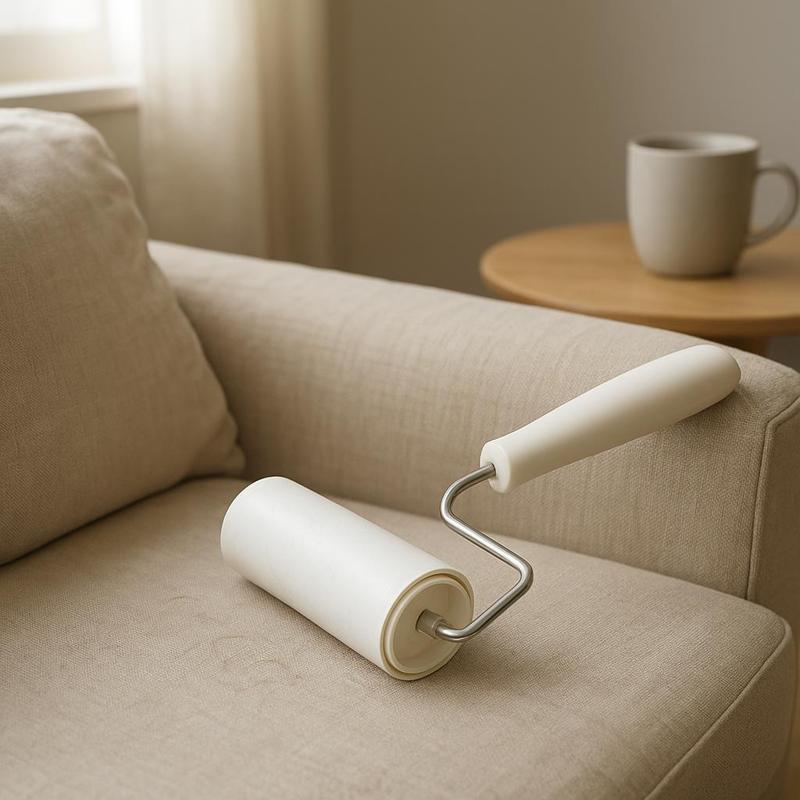
Clean it as you use it. Clumps of hair on a rubber edge or brush reduce contact with the fabric. Pull the hair off after each session rather than letting it pack down.
Rinse rubber and silicone parts. Warm water and mild soap remove skin oils and dust that make the edge slick. Dry the tool completely before storing it, since trapped moisture encourages odor.
Check the edge or bristles. If a rubber edge has become nicked, rounded or stiff, it will skip over hair instead of gripping it. Replace worn parts rather than pressing harder.
Store it where you use it. A tool kept in a cupboard across the house is a tool you will not pick up for a two-minute tidy. Keeping one by the sofa and one in the car makes small, frequent passes realistic.
If you also run a vacuum for the final collection step, a cordless handheld vacuum is convenient for gathering the clumps you rake together, especially on stairs and in cars.
7. A Weekly Routine That Keeps Hair Under Control
Consistency beats intensity. A short routine, repeated, prevents the buildup that makes hair removal feel like a chore.
- Daily, one minute: a quick pass on the spot where your pet sleeps and over the cushion you sit on most.
- Twice weekly: rake the sofa and chairs, then vacuum or wipe up the clumps.
- Weekly: wash pet bedding and throws, and clean the car seat your pet uses.
- Monthly: vacuum the mattress, clear hair from under furniture and along floor edges.
- During heavy shedding seasons: double the frequency of the first two steps and brush the pet outdoors if possible.
Grooming your pet regularly reduces the load at the source.
If you want to browse tools for each of these jobs in one place, you can explore the cleaning supplies store and compare what suits your home.
8. Summary
Pet hair returns because it bonds differently to each surface, floats as fine undercoat, and hides in reservoirs like bedding, mattresses and the gaps beneath furniture.
- Identify whether you are dealing with loose, woven-in or airborne hair.
- Choose a friction tool for fabric, a roller for quick tidying, and suction for carpet.
- Work in one direction, use light moisture to tame static, and collect the clumps right away.
- Clean the source first: pet bedding, mattresses and under-furniture areas.
- Keep the tool clean, dry and within reach so small, frequent passes become habit.
With the right match between tool, surface and routine, you spend fewer minutes cleaning and enjoy furniture that stays presentable between sessions.